Septic vs Sewer: What Is the Difference for a Tennessee Home?
A septic system treats your wastewater on your own lot, in a tank and a drain field that you own. A sewer connection sends it to a public main, and a sewer charge goes on the utility bill. Neither one costs less in every case. Septic skips the monthly charge, but the upkeep and the repairs are yours.
National cost guides put the average septic tank pump-out at $428, while a sewer home pays a monthly sewer charge set by its town or utility. These are market numbers, not our price list. If you are buying a house on septic, a septic inspection before you buy shows what you are taking on.
What is the difference between septic and sewer?
On septic, the drains in the house run to a buried tank in the yard. Solids settle in the tank, and the liquid flows on to a drain field. The EPA calls the gravel or stone field a design that has existed for decades. It describes a shallow underground trench of stone or gravel.
On sewer, the house drains into a service line that runs out to a public sewer main. The main carries the wastewater away to a treatment plant. There is no septic tank in the yard to pump.
Who owns and maintains each part?
On septic, you own the whole system, from the line out of the house to the drain field. Any pump or alarm on the system is yours too.
Tennessee puts repairs on the property owner. An owner with a faulty system must get a Septic System Construction Permit. The permit itself carries no fee, and the state’s repair inspection costs $100.
On sewer, ownership is split. In Nashville, the property owner owns and maintains the service line from the building to the public main. Metro ordinances set that rule. A break anywhere on that run is the owner’s to fix.
Other towns write their own rules. Ask the utility that sends your sewer bill where its part of the line ends.
How do septic and sewer compare side by side?
The table lines up the two systems. Every dollar figure in it is a published market number, not our price.
| Topic | Septic system | City sewer |
|---|---|---|
| Who owns what | You own all of it, from the house to the drain field | The main is public. In Nashville, you own the service line to it |
| Routine upkeep | Inspect at least every three years. Pump every three to five years | No tank to pump. Keep the service line clear |
| Regular cost | Pump-out, $428 national average, every three to five years | A monthly sewer charge, set by your town or utility |
| Getting connected | Not needed | $1,000 to $15,000 in a national guide |
| Smaller repair | Drain field repair, $1,000 to $5,000 | Sewer line repair, $150 to $3,800 |
| Big repair | Drain field replacement, $3,000 to $15,000 | Line replacement, $2,000 to $10,000 for 40 feet |
| What fails | The drain field, a pump or float, a baffle | The service line, from roots, cracks or sags |
The dollar figures in the table come from national cost guides. Sewer charges are set town by town, so your own utility’s rate sheet sets that number.
What upkeep does each one need?
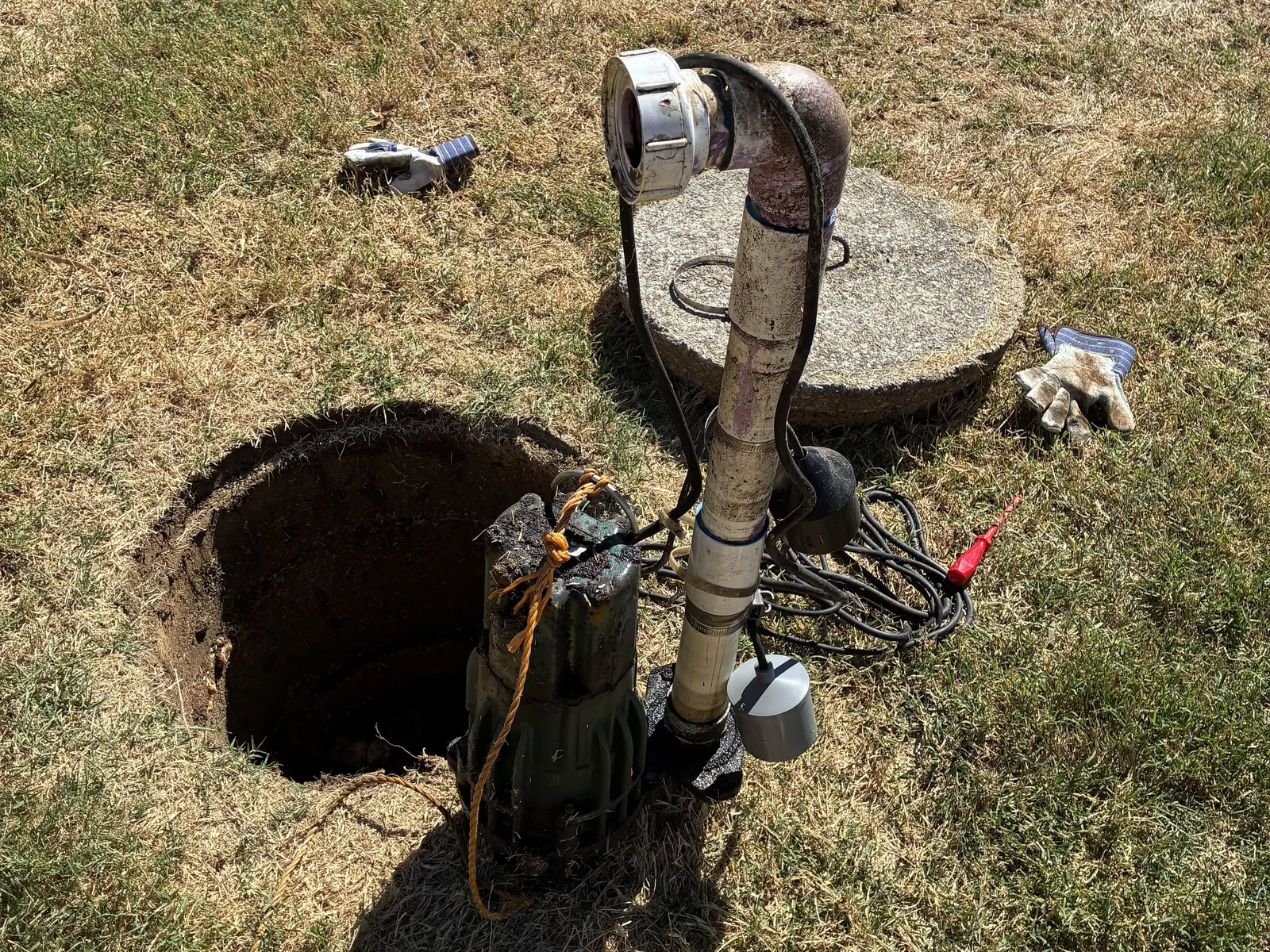
The EPA says a household septic system should be inspected at least every three years by a septic service professional. Household tanks are typically pumped every three to five years. Systems with float switches, pumps or other mechanical parts need a look more often, generally once a year.
The EPA also says septic additives are not recommended. Regular septic tank pumping keeps solids from building up and reaching the field. Our guide on how often to pump a septic tank covers the schedule.
A sewer home has no tank to pump. Its upkeep is the service line, where tree roots and grease can build up. A cleanout is a vertical pipe that runs from the service line up to the ground. It gives access to the line for cleaning and inspection.
When the pipe itself cracks or sags, cleaning will not fix it. That is a job for sewer line repair.
What do septic and sewer cost over time?
Septic costs come in bursts. One national guide puts most pump-outs between $292 and $565. Our septic tank pumping cost guide breaks that down by tank size.
The large septic bills come from repairs. National cost guides put drain field replacement at $3,000 to $15,000. One guide puts the tank and the field together at $4,500 to $20,000. For a new build, see what a new septic system costs in Tennessee.
On sewer, the steady cost is the monthly charge. Getting connected costs extra. A national cost guide puts connecting to city sewer at $1,000 to $15,000, with an $8,000 national average. The same guide says prices vary widely from one town to another.
For a Tennessee example, the Town of Carthage’s fee list puts a 3/4-inch water/sewer tap at $2,500. Your own town’s fee list sets your number.
Either way, the pipe from the house can fail. Depending on the method, one national guide puts sewer line repairs at $150 to $3,800. The same guide puts a 40 foot replacement at $2,000 to $10,000. Our sewer line replacement cost guide covers what moves that price.
How can you tell if a house is on septic or sewer?
Start with the utility bill. A sewer charge on it means the house is on sewer. No sewer charge points to septic.
Then look at the yard. A riser or a tank lid points to septic, though older lids are often buried. In Nashville, sewer cleanouts are typically PVC, set in a utility box near the property boundary.
Last, check the records. Tennessee’s online Search for Septic Tank Permits holds records for existing septic systems. Our post on Tennessee septic permits explains what that file shows.
Sewer reach changes town by town. Our pages on septic services in White House and septic services in Gallatin cover how the split works there.
Why should a buyer get a septic inspection?
A standard home inspection stops short of the septic system. Under Tennessee’s home inspection rules, the report states that it does not address subterranean systems, the parts underground. The inspector is not required to inspect on-site waste disposal systems, such as septic.
So the septic system needs its own look. A septic inspection checks the tank and the drain field before you close. Ask the seller for the pumping record as well. Our guide to septic inspection costs for home buyers lists the published ranges.
Who handles septic and sewer work north of Nashville?
Wiley Rooter and Septic Pros is based in Greenbrier, in Robertson County. We work on both: septic tanks and drain fields, and sewer lines to the tank or the main. The company is licensed, insured and bonded, and brings 20 years of septic and sewer experience.
Estimates are free. Call or text (629) 285-6381 to set up a septic inspection north of Nashville.