
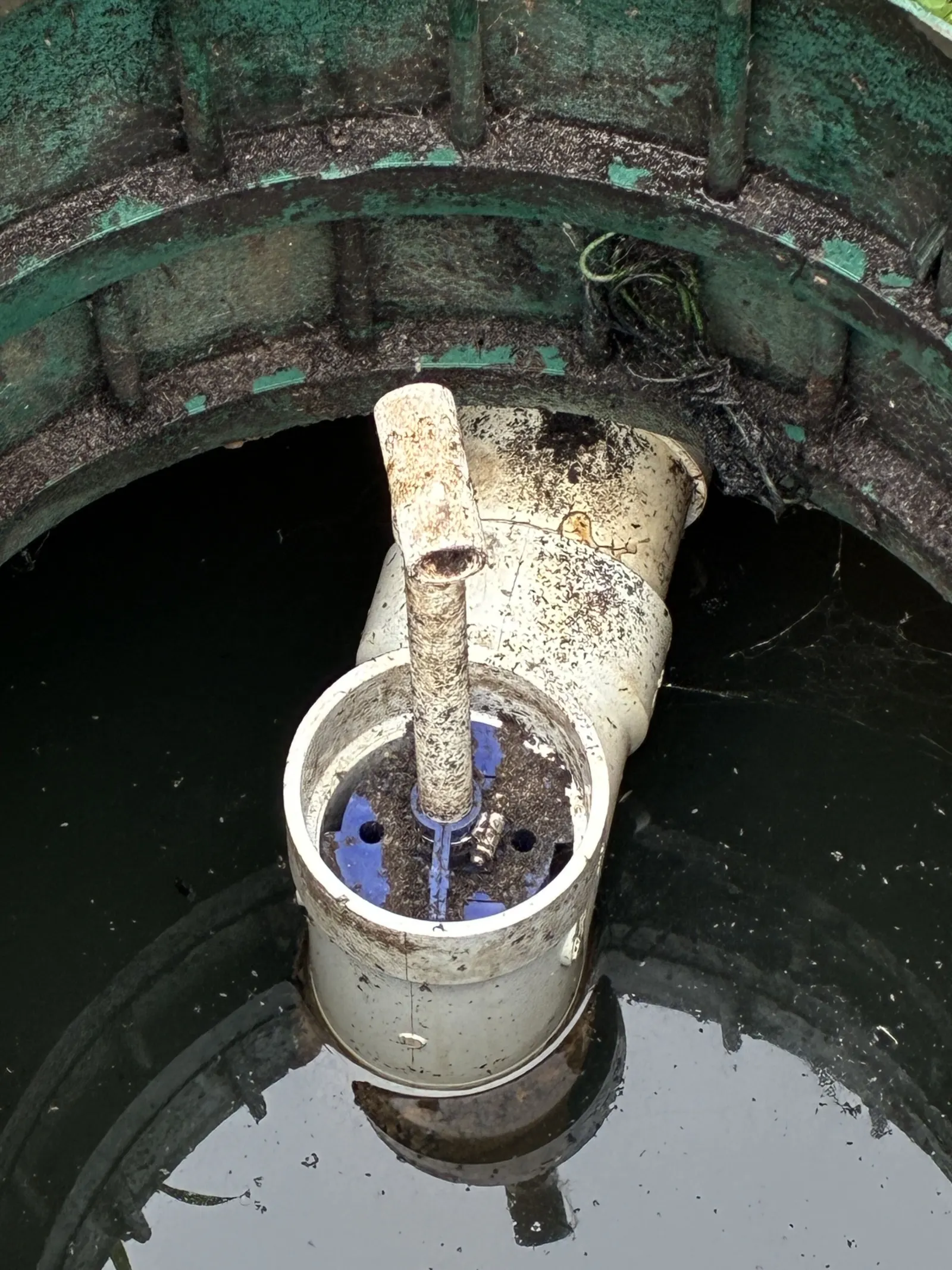
How Often Should You Pump a Septic Tank?
Most homes need a septic tank pumped every three to five years. That range comes from the EPA. Its septic care guidance says household tanks are typically pumped every three to five years. The same guidance says the average household system should be inspected at least every three years.
Where your house lands in that range is not random. The EPA names four things that set the schedule. Household size comes first, then the total wastewater a home makes. The amount of solids in that wastewater counts, and so does tank size.
What Does the EPA Say About Pumping Frequency?
The three to five year number is the one most homeowners have heard. It sits next to a second number in the same guidance: an inspection at least every three years. Those two work together. An inspection reads the sludge and scum levels, so you pump on evidence instead of a guess.
Water use matters too. The EPA notes that the less water a household sends to the system, the better the system runs. A running toilet or a heavy laundry day pushes more water through the tank. More water means less settling time for solids.
How Long Should My Household Wait Between Pump Outs?
Household size moves the number more than anything else. A university extension pumping table puts real years on it. The numbers below are estimated years between pump outs for a year round household.
| People in the house | Common household tank | Larger tank |
|---|---|---|
| 2 | about 5.9 years | about 9.1 years |
| 3 | about 3.7 years | about 5.9 years |
| 4 | about 2.6 years | about 4.2 years |
| 5 | about 2.0 years | about 3.3 years |
| 6 | about 1.5 years | about 2.6 years |
The same table adds one note: if a garbage disposal is used, more frequent pumping is required. Your septic permit or a past inspection report lists your tank size. If you do not know it, plan on the shorter column.
Read the four person row again. A family of four on a common tank lands closer to two and a half years than five. The three to five year rule of thumb fits a small household better than a full house.
What Shortens the Time Between Pumpings?
A garbage disposal is the big one. Ground food enters the tank as solids, and solids are what a pump out removes. Grease and cooking oil thicken the scum layer on top. Wipes do not break down either, so they stay in the tank.
People count next. Two more people in the house can cut the interval close to half. Long term guests, a home business, or daily laundry all add water.
Middle Tennessee weather plays a part on the field side. Heavy clay and shallow rock drain slowly here, and wet winters and springs saturate the ground. A soaked field cannot take effluent, so the tank stays high. Pumping helps for a few weeks, then the level climbs again.
How Do You Know a Tank Is Overdue?
The first signs usually show up inside the house. Drains slow down all over the house at once, and pipes gurgle when the washer empties. Toilets flush weakly. A backup at the lowest drain in the house is the late warning.
Outside, look over the tank and the field. Soggy ground, standing water, or a strip of bright green grass means liquid is reaching the surface. Odor near the lid or out over the field belongs on the same list.
Measurements beat symptoms. Extension guidance gives two thresholds. Pump when the sludge layer reaches 25 to 33 percent of the tank’s liquid depth. Pump when the scum layer on top is more than four to six inches thick.
That is what gets checked with the lid open. Broken baffles, a cracked lid, or a failed pump show up in the same visit. Those are septic repair jobs.
What Happens If You Skip Pumping?
Nothing, for a while. That is the trap. Solids keep stacking up with no sign inside the house until the tank has no room left.
Then the tank stops holding solids back. The EPA says a tank that fills with solids can push them into the drain field. The pipes clog. Extension guidance is blunter: solids overflow and escape, and the damage is done before the backup shows up.
Once solids reach the trenches they clog the pores in the soil. Effluent has nowhere to go, so it backs up into the house or runs over the field. At that point you are looking at drain field repair or a full replacement. A new field means new trenches and a permit. A pump out is a much smaller job.
What Does Septic Tank Pumping Cost?
National cost guides put a routine pump out in the few hundred dollar range. These are market numbers, not our price list.
| What national cost guides report | Figure |
|---|---|
| Average cost of one pump out | $400 to $428 |
| Typical range across the guides | $255 to $600 |
| Low and high ends reported | $200 to $1,278 |
A few things move a real quote. Tank size matters, and so does how deep the lids are buried. Digging out a buried lid adds work. How long the tank has gone without service counts too.
Timing matters around a home sale. Pumping ahead of the buyer’s septic inspection lets the levels and the baffles be read clearly. It also empties the tank so a real problem shows itself.
Ready to Get on a Pumping Schedule?
We work out of Greenbrier and cover the north side of the Nashville area. We bring 20 years of septic and sewer experience, and we are licensed, insured and bonded. While the lid is off we check the tank and tell you what we find.
Write down the date of every pump out and the schedule takes care of itself. Call or text (629) 285-6381 for a free estimate on septic tank pumping.