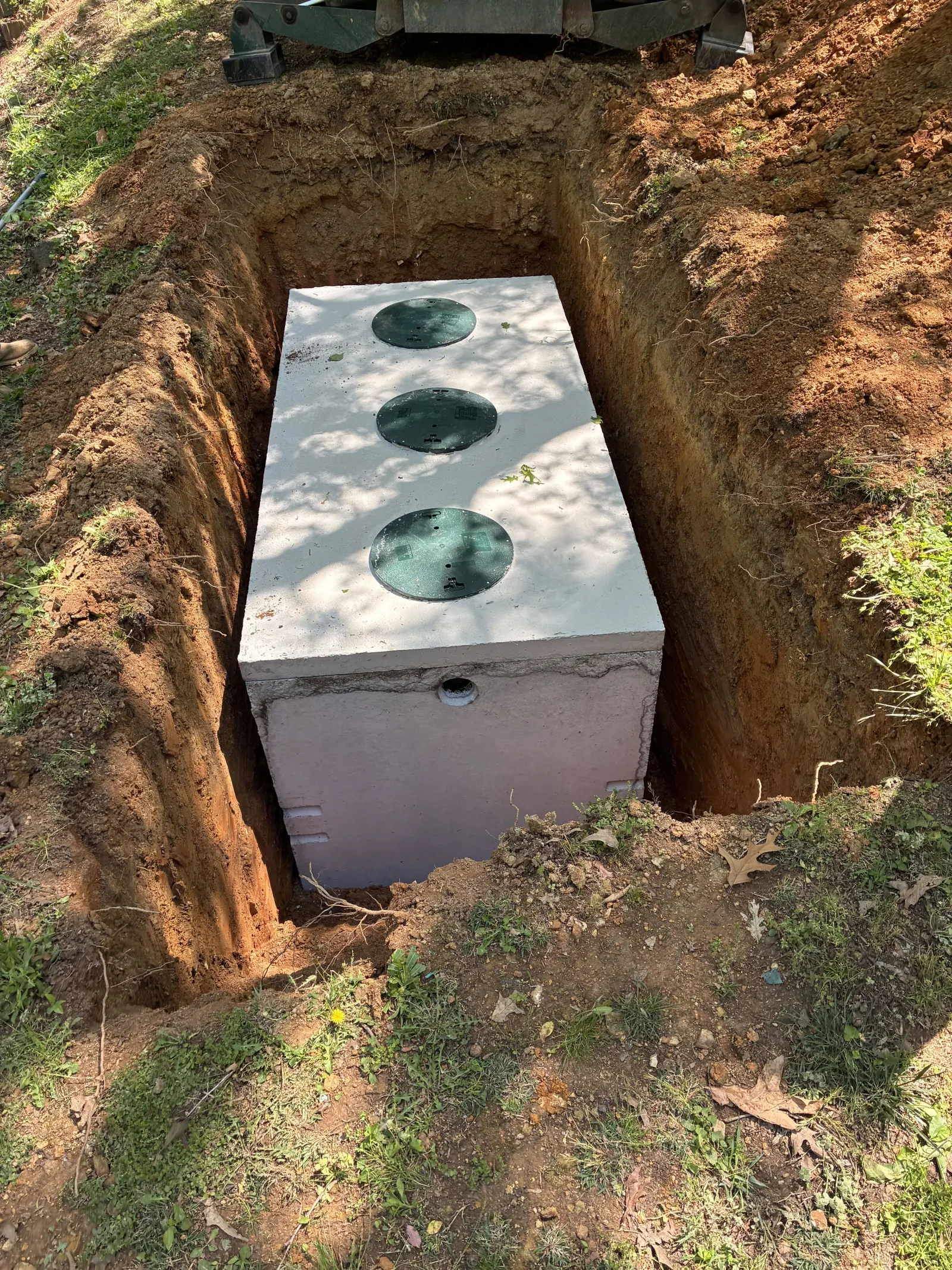
Septic Pumping
We pump and clean septic tanks around Greenbrier and the north side of the Nashville area. While the lid is off, we check the tank and tell you what we see.
Learn More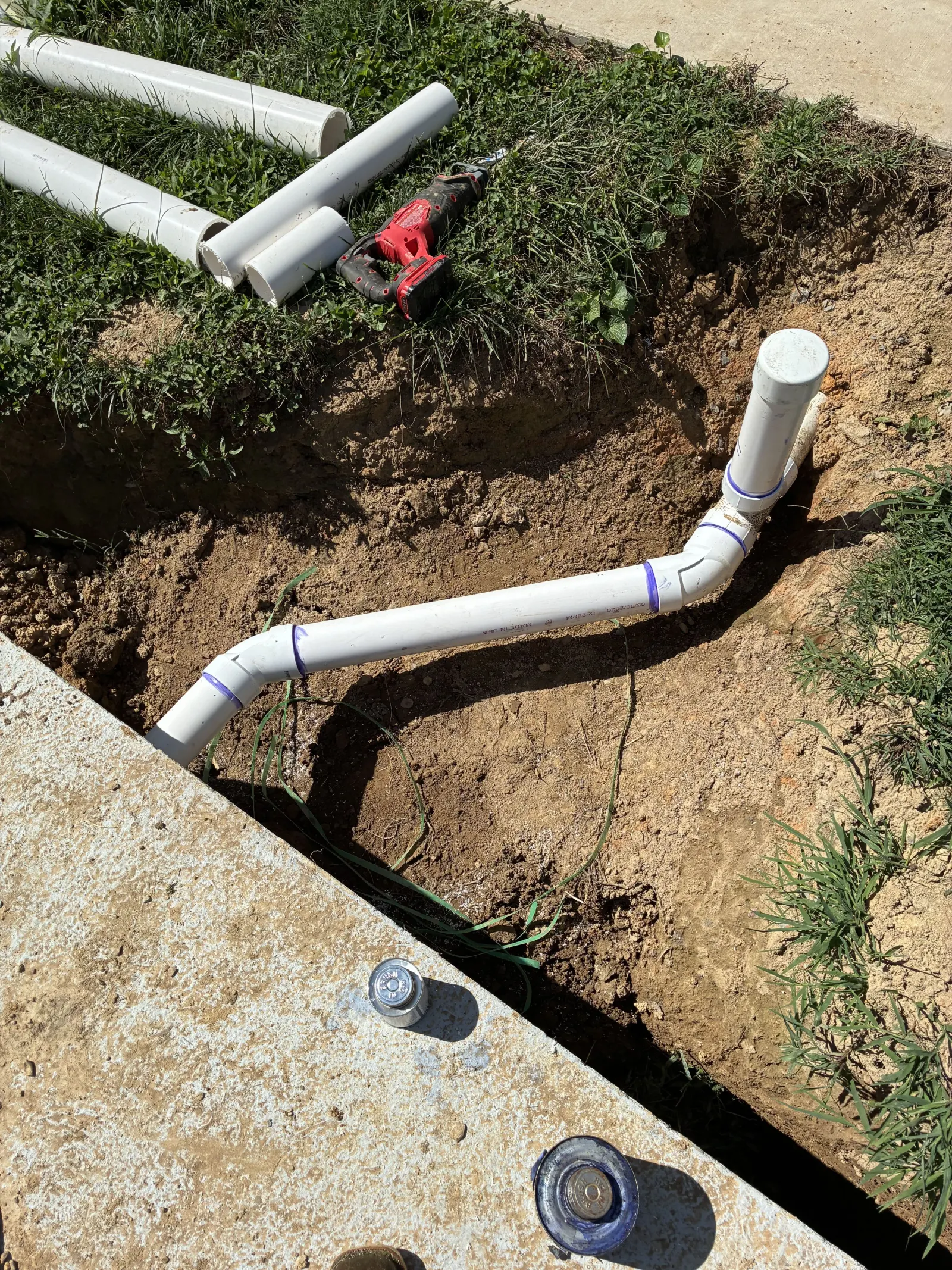
A septic inspection tells you what shape a system is in before you buy or sell a home. We find the tank, open the lids, and check what is going on inside. We test the pump, the float and the alarm on systems that have them, then look over the drain field. You get a written report on what we found.
Wiley Rooter and Septic Pros is based in Greenbrier, in Robertson County. We cover the north side of the Nashville area, from Nashville up to Clarksville. The crew brings 20 years of septic and sewer experience to every inspection. If the tank has to be emptied to see the baffles, we can pair the visit with septic tank pumping.
Tell us what the septic or sewer is doing. We will get right back to you.
We start by finding the tank. On older Robertson County properties the lids are often buried under grass or a flower bed. Tennessee keeps permit records for septic systems, and an old record often shows where the tank sits.
Inside the tank we read the water level against the outlet. A level that sits high says water is not leaving for the drain field. We measure the sludge on the bottom and the scum on top, and we check the inlet and outlet baffles. A missing baffle lets solids run straight out to the field, which is how good fields get ruined.
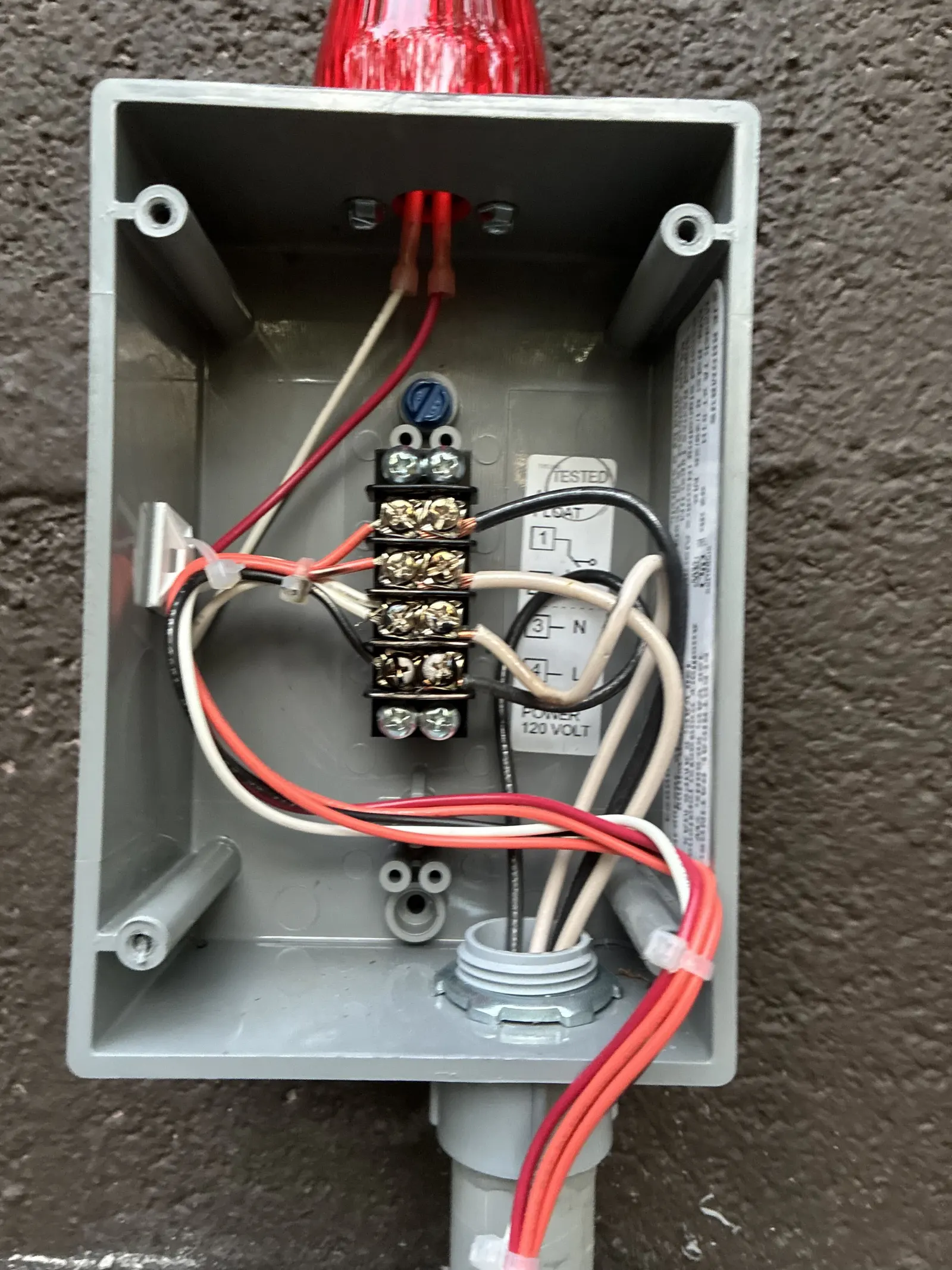
If the house has a pump tank, we run the pump and watch the float and the alarm. We check the lids and risers for cracks. Then we go over the ground above the drain field and look for wet spots, odor and spongy green grass. When the problem looks like it sits in a line instead of the tank, a sewer camera inspection finds it.
Buyers ask for a septic inspection because the system is one of the most expensive things on the property. A lender or an agent will often want it in writing before closing. The report says how the system is sized, how it has been kept up, and what needs attention.
Sellers use an inspection to learn the system before a buyer's inspector does. If a float or a baffle needs work, it is cheaper to fix now than at the closing table. We can take care of most of that under septic repair once you have the report.
Tennessee also puts some of this on the seller. State law asks a seller to report known percolation test results and soil absorption rates for the property. A known sinkhole has to be reported too, and sinkholes are common in Middle Tennessee. An inspection gives both sides a current look at how the system is actually working.
The EPA points homeowners toward an inspection at least every three years on a typical household system. Tanks are usually pumped every three to five years. Homes with a pump, a filter or a heavier load need a closer eye. Middle Tennessee clay and shallow rock drain slowly, so fields here can get pushed harder than the guidance assumes.
A bad result usually lands in one of two places. Tank side problems are pumps, floats, alarms, baffles, lids and cracked lines, and those are repairs. Field side problems mean water is not soaking into the ground, and that is a drain field repair question. The inspection is what tells you which one you are dealing with.
Sometimes the system is past saving. An old undersized tank on a house that has grown is one case. A field that has stayed saturated for years is another. Both point to a new septic system rather than another patch.
Free, no-obligation estimates across the north side of the Nashville area.
(629) 285-6381From the first call or text to the finished property, here is how it goes.
Reach us at (629) 285-6381 and describe what the system is doing. Photos help, and you can text them to the same number.
We come out, open the lids and check the tank, the pump and the field. On a drain problem we check the lines instead.
We tell you what is wrong, what the fix involves and what it costs. The estimate is free, and you decide on your own timeline.
Our own machines dig the trench, set the tank and pull the old line. We backfill, grade the ground back and clean up the site.
Before we leave we show you what changed and where the lids and cleanouts sit. You get a plain description of what to watch from here.
Common questions about septic inspections across the north side of the Nashville area. If yours is not here, call or text and ask.
We pump and clean septic tanks around Greenbrier and the north side of the Nashville area. While the lid is off, we check the tank and tell you what we see.
Learn More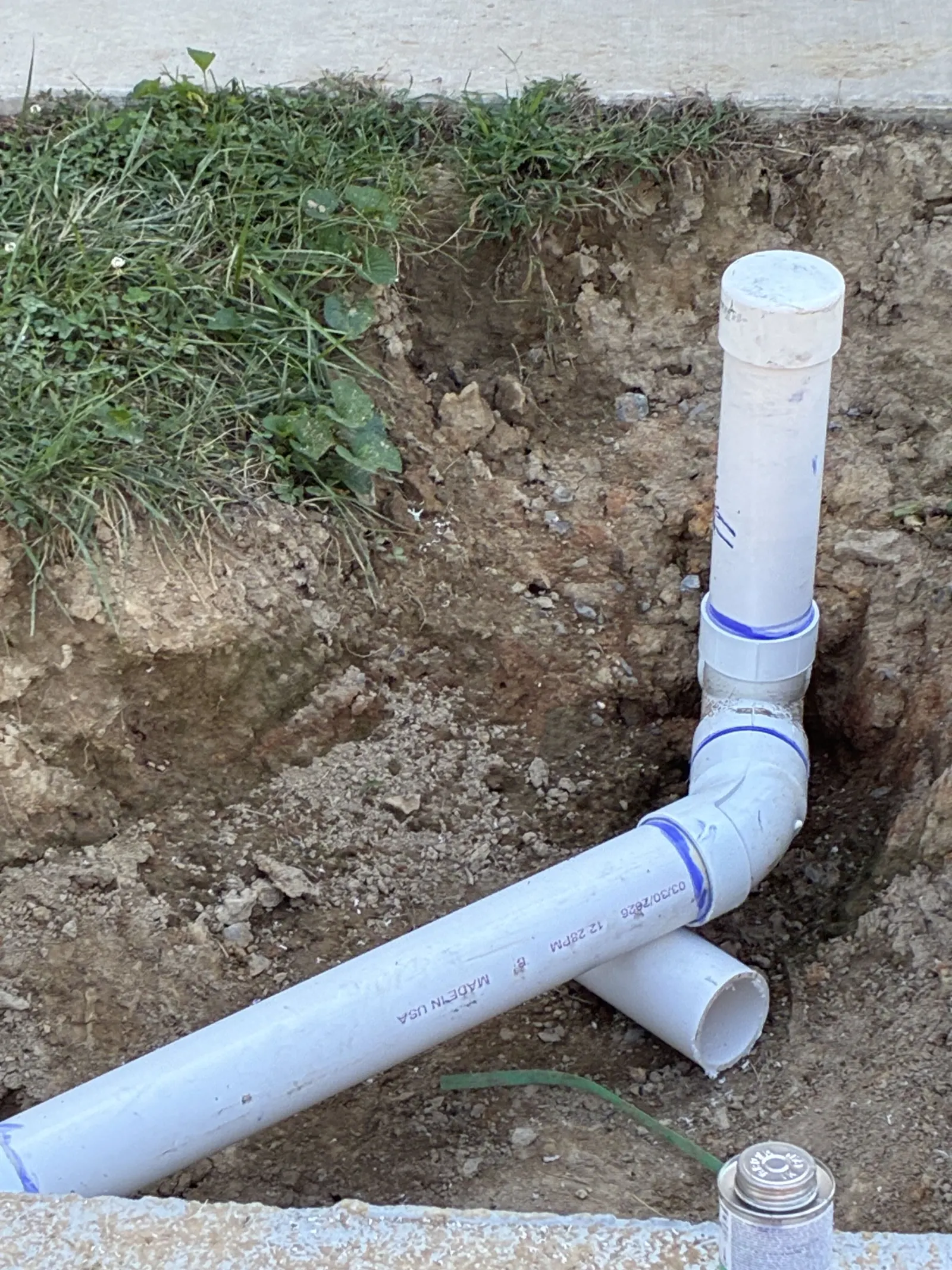
We run a camera through your sewer or drain line and watch the video as it goes. That shows the break, the roots, the sag or the offset joint, and where it sits in the yard.
Learn More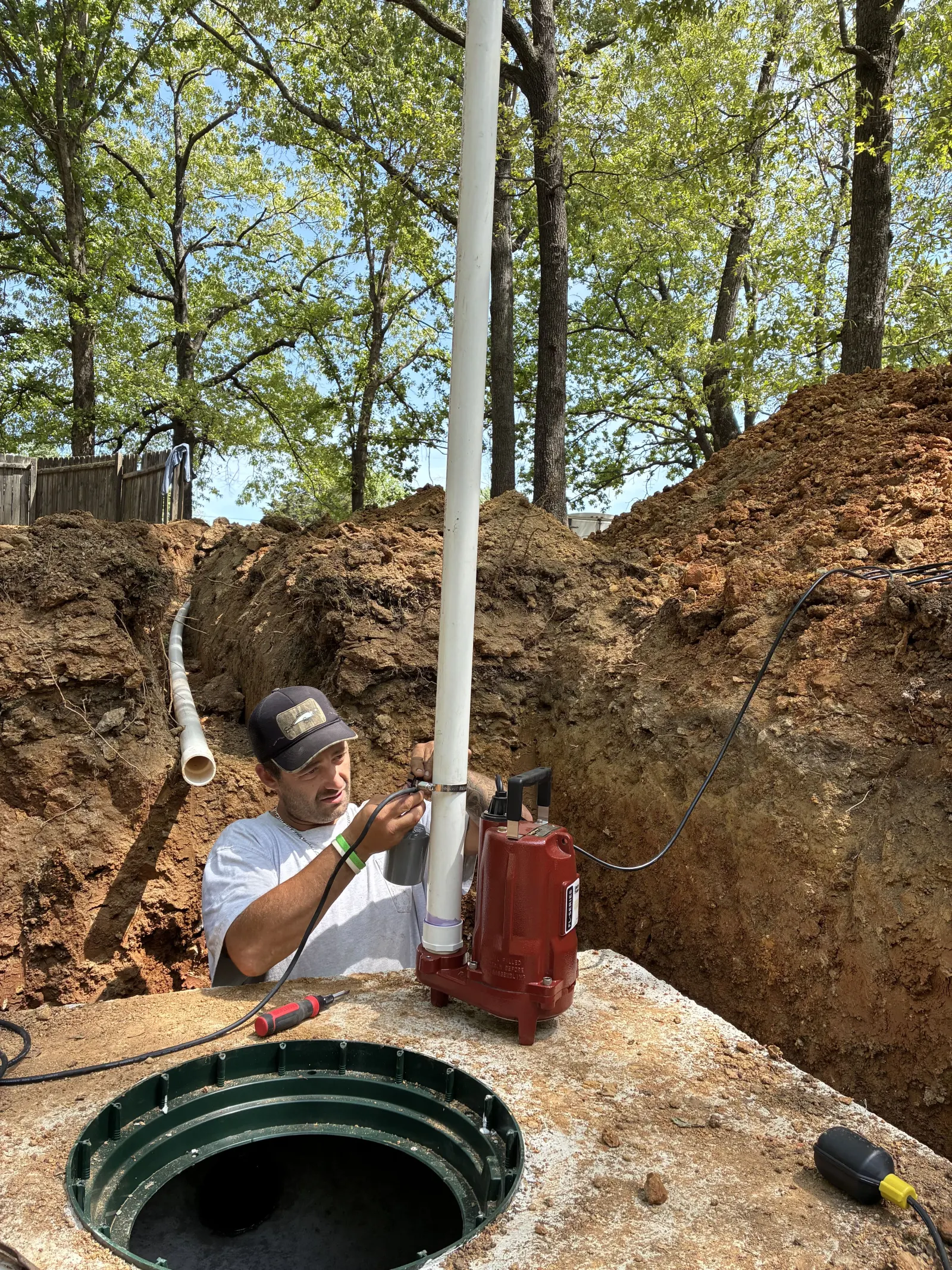
We repair what fails on an existing septic system: pumps, floats, alarms, baffles, lids and broken lines. Our crew finds the failed part first, then fixes it and puts the ground back.
Learn MoreTanks, drain fields, pumps and sewer lines are what our crew works on every week. That work is the whole business.
We are licensed, insured and bonded. You can ask for that paperwork before we start, and we will send it.
We set new tanks and rebuild drain fields. We also clear clogged drains and replace sewer lines, so one call covers both.
We work out of Greenbrier and cover Robertson, Sumner, Cheatham, Davidson and Montgomery counties. Estimates in that area are free.
What a septic inspection costs for Tennessee home buyers, published market ranges, what the inspection covers, and what a missed septic failure costs.
Read more →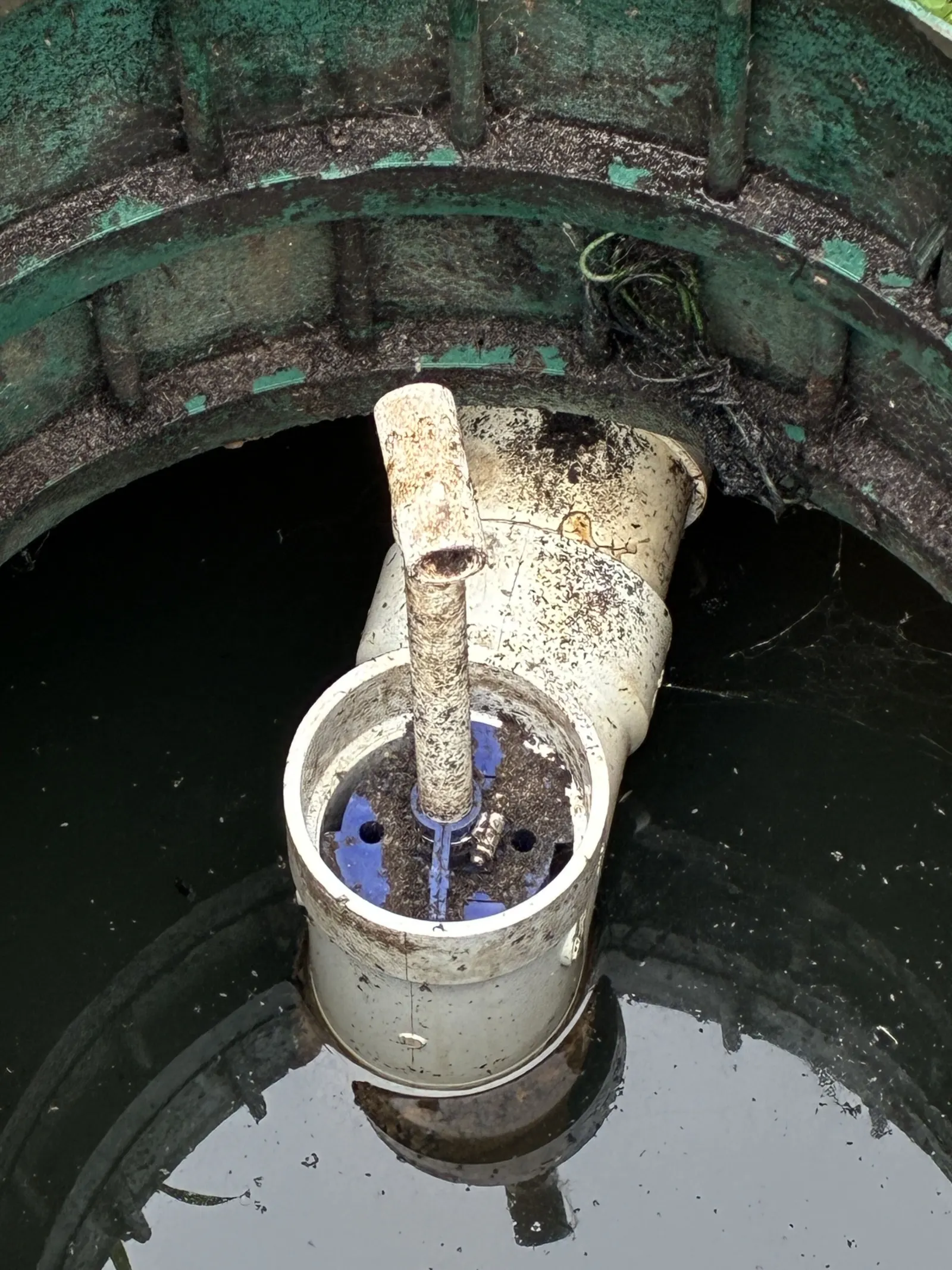
How often should you pump a septic tank? The EPA says every three to five years. See what shortens that, the signs a tank is overdue, and costs.
Read more →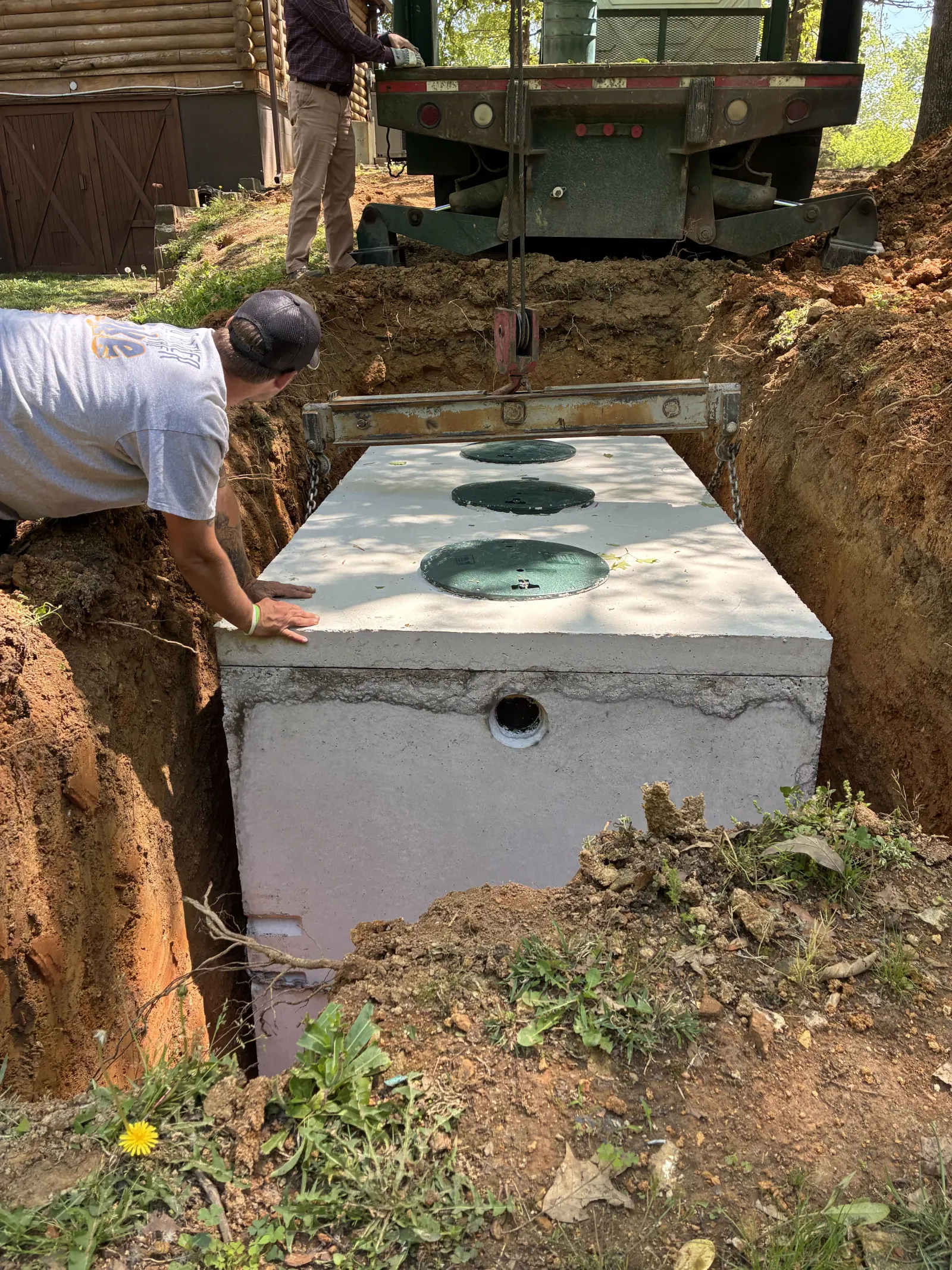
What a new septic system costs in Tennessee, from published market ranges to the state permit fee, plus what soil, size and site access change.
Read more →Send the details here and we will get back to you. You can also call or text (629) 285-6381, and estimates are free.
Tell us what the septic or sewer is doing. We will get right back to you.