Septic Inspections
We inspect septic systems for home buyers, sellers and owners due for a checkup. You get a written report on the tank, the pump and the drain field.
Learn More Septic tank pumping is the one job every septic system needs on a schedule. Solids settle to the bottom of the tank and grease floats on top. Pumping takes both layers out so the liquid in the middle stays where it belongs. The EPA says household tanks are typically pumped every three to five years.
We pump tanks around Greenbrier and the north side of the Nashville area. We bring 20 years of septic and sewer experience, and we are licensed, insured and bonded. While the lid is off we look the tank over and tell you what we find. When a tank fills back up a few weeks later, the cause is usually a drain field problem.
Tell us what the septic or sewer is doing. We will get right back to you.
The common guidance comes from the EPA. It says the average household system should be inspected at least every three years. It also says household tanks are typically pumped every three to five years. Where your house lands in that range depends on a few things.
Household size matters most. University extension pumping charts show four people fill a tank more than twice as fast as two. Tank size counts too, since a smaller tank holds less before solids reach the outlet. A garbage disposal adds food solids that build up as sludge and scum.
A big family or a home with a garbage disposal often lands closer to three years. A couple with a larger tank can usually go longer. Septic tank maintenance gets easier once you write down the date of the last pump out. We can suggest an interval for your system after the first visit.
Most people call because something changed inside the house. Toilets flush slower, and drains gurgle when the washing machine empties. A smell near the tank or out over the yard is another common sign. Sewage backing up at the lowest drain is the late warning.
Soggy ground or bright green grass over the tank and lines means liquid is reaching the surface. University extension guidance calls surfacing sewage a sign that the system is failing. One slow fixture on its own is often just a clogged drain line. When every drain in the house slows down at once, look at the tank.
Pumping answers the tank side of the problem. If the tank was full of solids and drains clear up afterward, you are back on schedule. A broken baffle or a cracked lid is a septic repair job, and we can quote it there. If water stands over the lines instead, the drain field is holding it.
Septic tank cleaning starts with finding and opening the lids. Older tanks often sit under a few inches of dirt or sod. We dig the lids out, and we bring excavation equipment when a lid sits deep. We pump through the main access lids and clear both compartments on a two compartment tank.
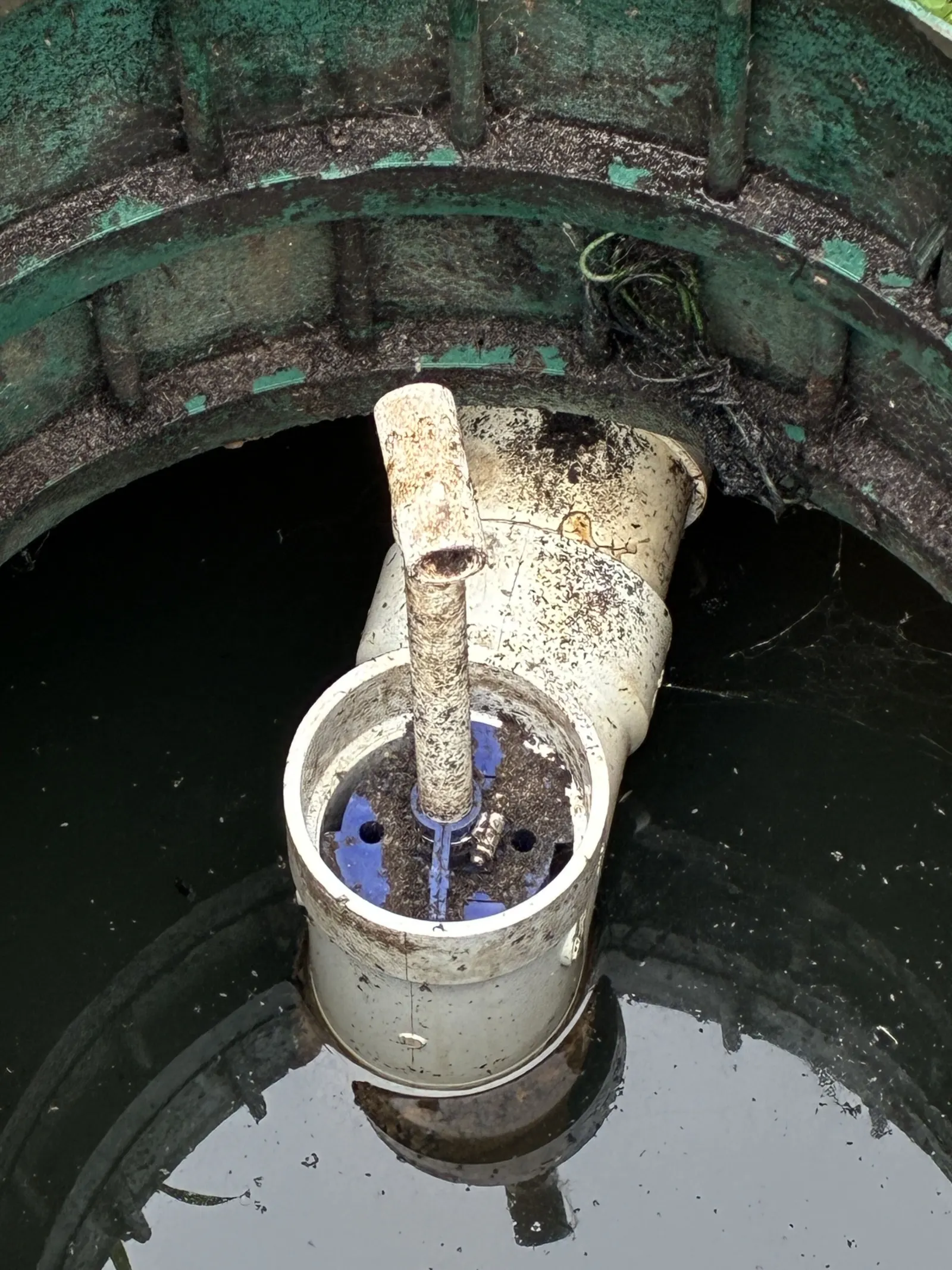
With the tank empty we can see the parts that usually fail. We check the inlet and outlet baffles and the tees that hold solids back. We look at the lids and risers for cracks and a solid seal. If the system has an effluent filter, we pull it and rinse it.
We tell you what we saw before we leave, including anything that needs attention. If the lids are buried, we can set risers and lids at grade so the next pumping is easier. Plan a pump out ahead of a home sale as well. A clean tank lets the buyer's septic inspection read levels and baffles clearly.
Free, no-obligation estimates across the north side of the Nashville area.
(629) 285-6381From the first call or text to the finished property, here is how it goes.
Reach us at (629) 285-6381 and describe what the system is doing. Photos help, and you can text them to the same number.
We come out, open the lids and check the tank, the pump and the field. On a drain problem we check the lines instead.
We tell you what is wrong, what the fix involves and what it costs. The estimate is free, and you decide on your own timeline.
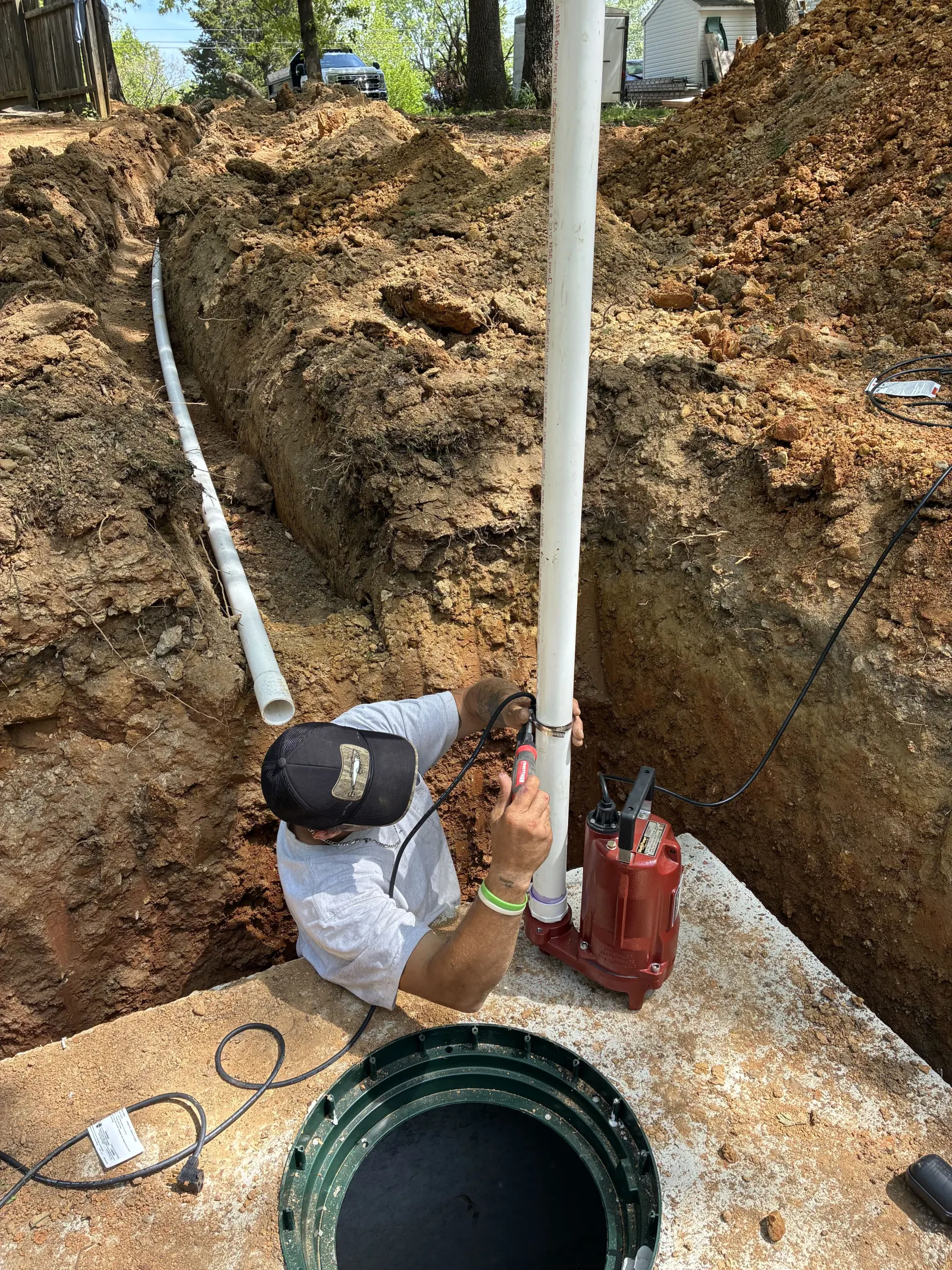
Our own machines dig the trench, set the tank and pull the old line. We backfill, grade the ground back and clean up the site.
Before we leave we show you what changed and where the lids and cleanouts sit. You get a plain description of what to watch from here.
Common questions about septic pumping across the north side of the Nashville area. If yours is not here, call or text and ask.
We inspect septic systems for home buyers, sellers and owners due for a checkup. You get a written report on the tank, the pump and the drain field.
Learn More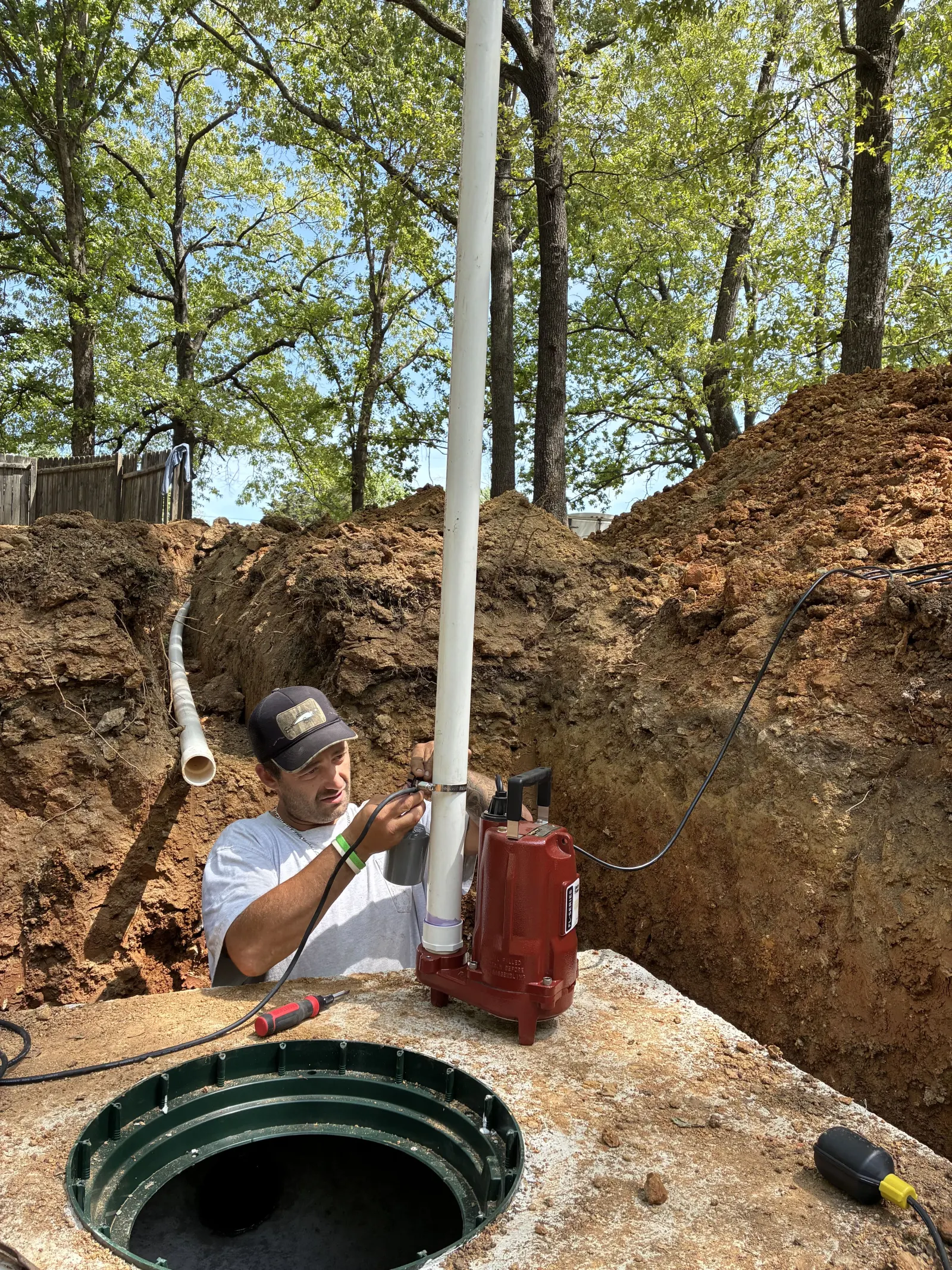
We repair what fails on an existing septic system: pumps, floats, alarms, baffles, lids and broken lines. Our crew finds the failed part first, then fixes it and puts the ground back.
Learn More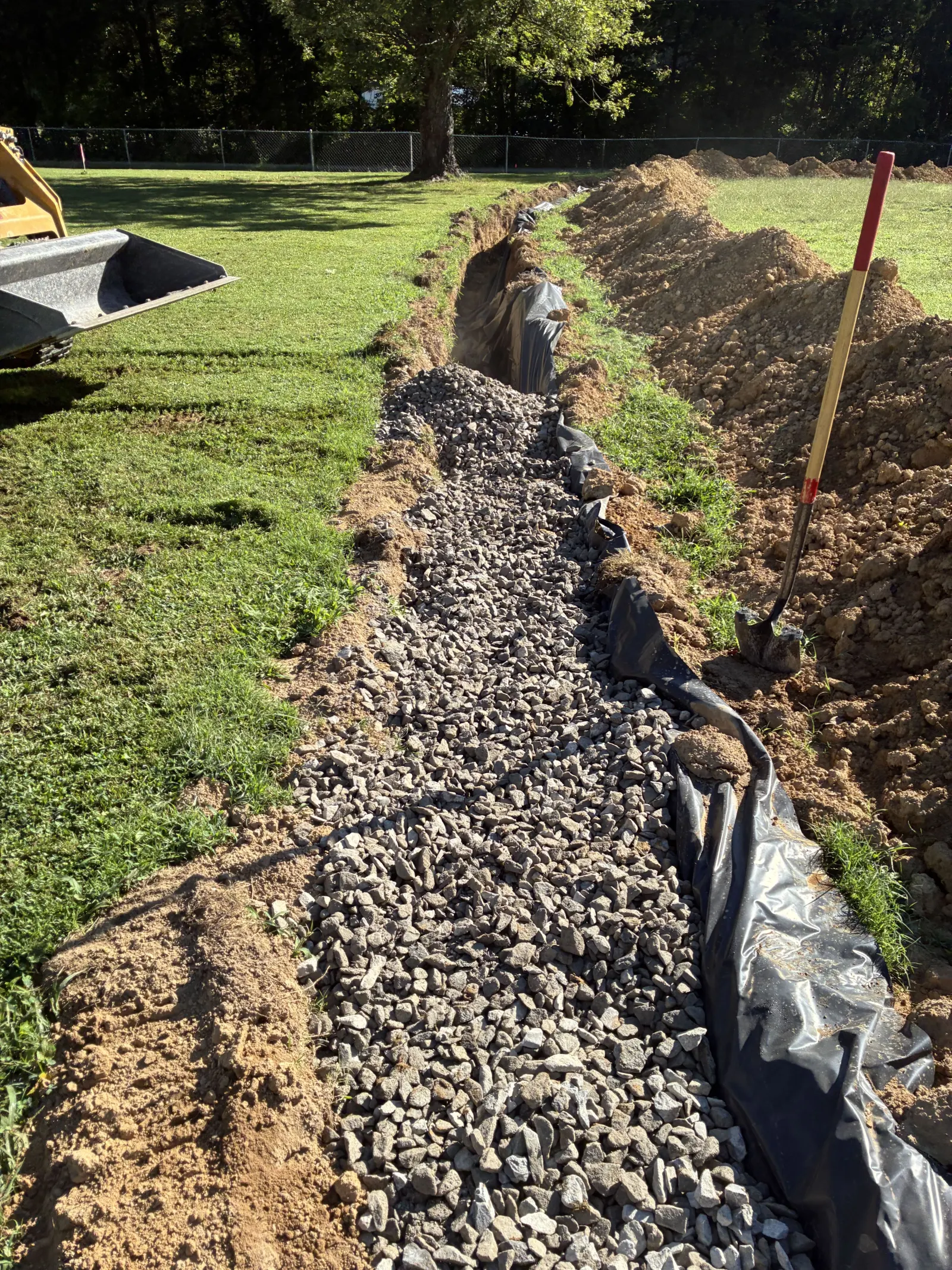
We repair and replace drain fields that have stopped taking water. Gravel and fabric trenches, dug and set by our own crew.
Learn MoreTanks, drain fields, pumps and sewer lines are what our crew works on every week. That work is the whole business.
We are licensed, insured and bonded. You can ask for that paperwork before we start, and we will send it.
We set new tanks and rebuild drain fields. We also clear clogged drains and replace sewer lines, so one call covers both.
We work out of Greenbrier and cover Robertson, Sumner, Cheatham, Davidson and Montgomery counties. Estimates in that area are free.
How often should you pump a septic tank? The EPA says every three to five years. See what shortens that, the signs a tank is overdue, and costs.
Read more →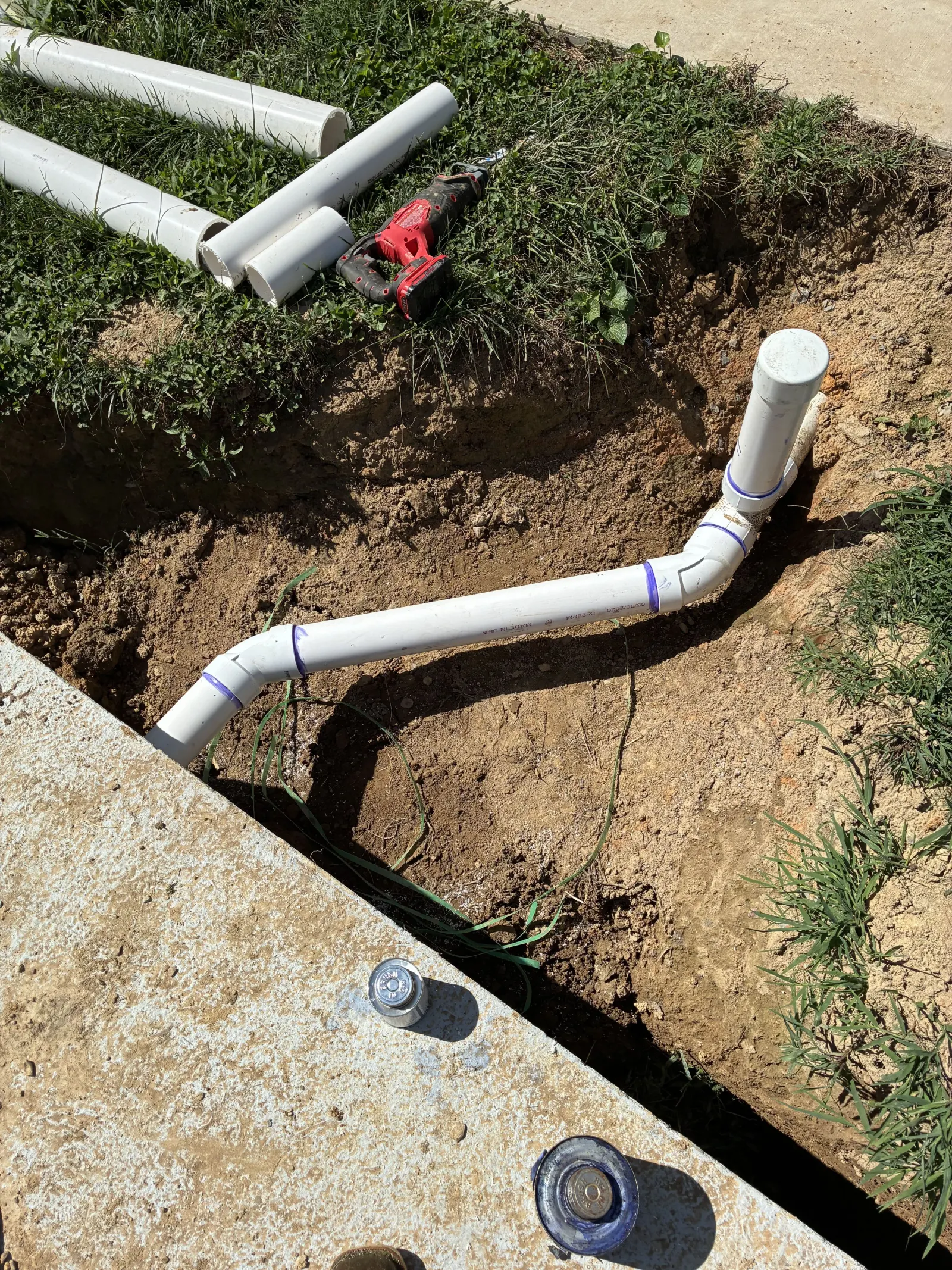
What a septic inspection costs for Tennessee home buyers, published market ranges, what the inspection covers, and what a missed septic failure costs.
Read more →Wet ground, yard odors, slow drains, and bright green grass over the trenches. What each sign means for a Middle Tennessee drain field. Call or text.
Read more →Send the details here and we will get back to you. You can also call or text (629) 285-6381, and estimates are free.
Tell us what the septic or sewer is doing. We will get right back to you.